

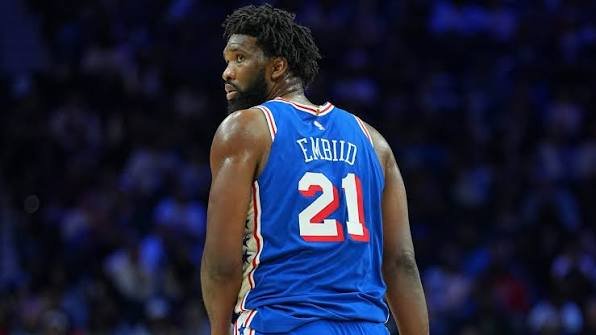
The Philadelphia 76ers are undergoing a transformation, leaning into speed, spacing, and versatility with a talented young core. In the wake of an injury-plagued season, questions naturally arise about the fit of their cornerstone, Joel Embiid, a dominant, yet deliberate, post presence.
Despite recent whispers and the rise of players like Tyrese Maxey, the reigning MVP is far from obsolete. For the Sixers to realize their championship potential, Embiid doesn’t need to be the same high-usage, ball-stopping force of the past. Instead, his fit lies in a necessary evolution of his role.
1. The Ultimate Gravity and Playmaking Hub
Embiid’s greatest, unquantifiable asset remains his gravity. Opposing defenses must pay attention to him, even in a limited capacity. This attention creates the space the new Sixers’ core—featuring dynamic guards like Maxey and shooters like Quentin Grimes—thrive in.
- Elite Spacing Creator: Even as a floor-spacer from the high post or operating from the low block, Embiid draws double and triple teams. This directly unlocks catch-and-shoot opportunities for the perimeter players.
- Decisive Passer: Embiid is an underrated passer out of double teams. He needs to embrace a quicker decision-making process: catch, survey, and deliver the ball to the open shooter or cutter before the defense can fully rotate. Less isolation, more facilitation.
2. A Strategic Defensive Anchor
While recent injury concerns have limited his mobility and willingness to defend in space, a managed, strategic Embiid can still be a defensive anchor.
- Rim Deterrent: Even if his overall defensive range is reduced, Embiid’s sheer size and reputation are still a powerful deterrent at the rim. Opponents will think twice before challenging him directly.
- Low-Minute, High-Impact: Coach Nick Nurse is wisely managing Embiid’s minutes and usage. Keeping his playing time restricted during the regular season—perhaps around 28-32 minutes—preserves his body for the playoffs, where his defensive presence and scoring punch will be most critical.
3. Embracing the New ‘Process’ of Load Management
The days of Embiid carrying the team for 35+ minutes a night must end for the sake of his long-term health and the team’s ultimate goal.
- Synergy with the Bench: This new approach allows players like Andre Drummond or a developing big like Adem Bona to take on significant center minutes. This rotation can keep the team competitive when Embiid is resting, and also helps to develop a deeper, more versatile roster for playoff matchups.
- Off-Ball and Stretch 5 Potential: If his mobility is permanently limited, Embiid can still contribute significantly as a Stretch 5. Utilizing his deep shooting range will pull opposing bigs out of the paint, creating driving lanes for Maxey and company. He can save his post-up game for clutch moments.
The Verdict: Embiid’s value is not in recreating his MVP peak, but in adapting to become the ultimate supporting star—a gravitational force and a decisive scorer and passer who elevates the team’s young speed. A healthy, managed, and strategically-deployed Embiid is still the key to the 76ers’ ceiling. The evolution of his role is not a sign of decline, but a necessary pivot toward championship contention.
Would you like me to focus on a specific player’s potential synergy with Embiid, such as Tyrese Maxey or Paul George?